

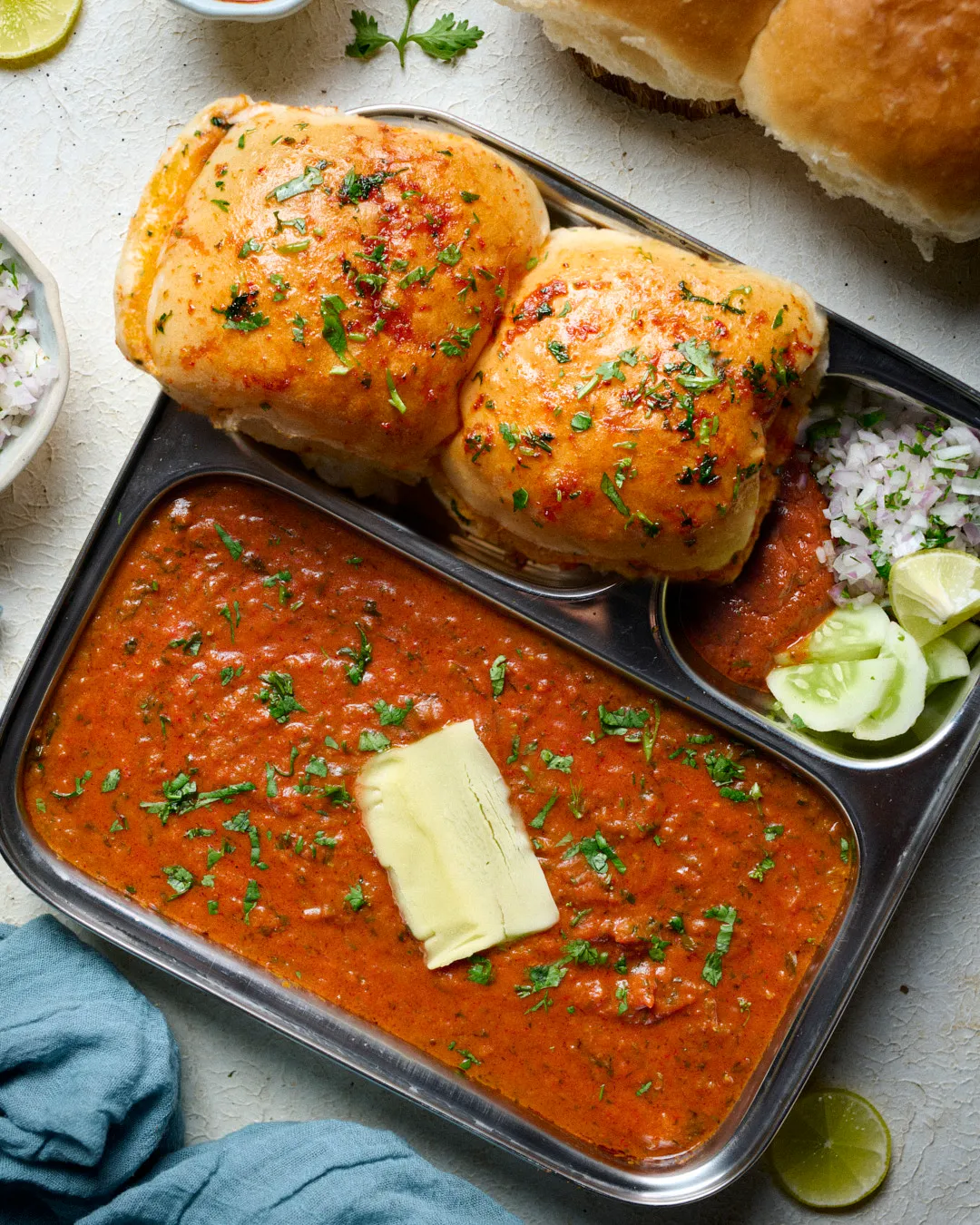
A Classic Street-Style Comfort Food Loaded with Butter and Bold Flavors
Pav Bhaji is not just a popular Indian dish; it is a celebration of flavors, textures, and comfort. Loved by people of all ages, this buttery and spicy vegetable mash served with soft toasted pav is one of the most satisfying meals you can enjoy. Whether eaten as an evening snack, a weekend treat, or a party dish, pav bhaji never fails to impress.
What makes pav bhaji truly special is how simple vegetables come together to create something so rich and indulgent. Potatoes, cauliflower, peas, and capsicum are cooked, mashed, and slow-roasted with butter and pav bhaji masala on a hot tawa. The result is a thick, flavorful bhaji that pairs perfectly with golden, butter-toasted pav.
This detailed recipe will guide you step by step to make authentic street-style pav bhaji at home, with tips to achieve the perfect taste, texture, and aroma.
What Is Pav Bhaji?
Pav Bhaji is a famous Indian street food made of two main components:
- Bhaji – a thick, spicy mash of mixed vegetables cooked with butter and special spices
- Pav – soft bread rolls toasted generously with butter
Originally created as a quick and filling meal, pav bhaji has now become a comfort food enjoyed across homes and restaurants. The magic lies in the slow cooking, generous butter, and the signature pav bhaji masala.
Ingredients for Pav Bhaji
For the Vegetable Bhaji:
- Potatoes – 3 medium (boiled and peeled)
- Cauliflower – 1 cup (chopped)
- Carrots – ½ cup (chopped)
- Green peas – ½ cup
- Capsicum (bell pepper) – 1 medium (finely chopped)
For the Masala Base:
- Onions – 2 medium (finely chopped)
- Tomatoes – 3 large (finely chopped or pureed)
- Ginger-garlic paste – 1 tablespoon
- Green chilies – 2 (finely chopped)
Spices:
- Pav Bhaji Masala – 2½ tablespoons
- Red chili powder – 1 teaspoon (adjust to taste)
- Turmeric powder – ½ teaspoon
- Salt – to taste
Butter & Garnish:
- Butter – 3 to 4 tablespoons (use more for richer taste)
- Fresh coriander leaves – finely chopped
- Lemon wedges – for serving
- Finely chopped onions – for garnish
For the Pav:
- Pav buns – 8
- Butter – as required
- Pav bhaji masala – a pinch (optional)
Step-by-Step Method to Make Pav Bhaji
Step 1: Boil the Vegetables
In a pressure cooker or large pot, add potatoes, cauliflower, carrots, and green peas with enough water and a little salt. Cook until the vegetables are soft and fully done. Drain excess water and mash the vegetables coarsely. Set aside.
Step 2: Prepare the Bhaji Base
Heat a large tawa or heavy pan on medium heat. Add butter and let it melt completely. Add chopped onions and sauté until they turn translucent and slightly golden. Add ginger-garlic paste and green chilies, and cook until the raw smell disappears.
Step 3: Add Tomatoes and Spices
Add chopped tomatoes or tomato puree to the pan. Cook until the mixture becomes thick and the butter starts separating from the sides. Now add turmeric powder, red chili powder, salt, and pav bhaji masala. Mix well and cook for another 2–3 minutes.
Step 4: Add Vegetables and Mash
Add the mashed vegetables to the pan. Using a potato masher, mash everything together on the tawa. Mix well so the spices coat the vegetables evenly. Add a little water if needed to adjust consistency.
Step 5: Slow Cook for Flavor
Let the bhaji cook on low to medium heat for 10–15 minutes. Keep stirring and mashing occasionally. Add more butter during cooking for a richer flavor. Finish with chopped capsicum and fresh coriander leaves.
Step 6: Final Touch
Squeeze some lemon juice over the bhaji and mix well. Taste and adjust salt or spice if needed. The bhaji should be smooth, buttery, and slightly spicy.
Preparing the Pav
Slice the pav buns horizontally. Heat a tawa, add butter, and sprinkle a little pav bhaji masala. Place the pav on the tawa and toast until golden and crisp on both sides.
Serving Suggestions
Serve hot pav bhaji topped with a cube of butter, chopped onions, and fresh coriander. Pair it with butter-toasted pav and lemon wedges on the side. It tastes best when served immediately.